Match Words to Pictures
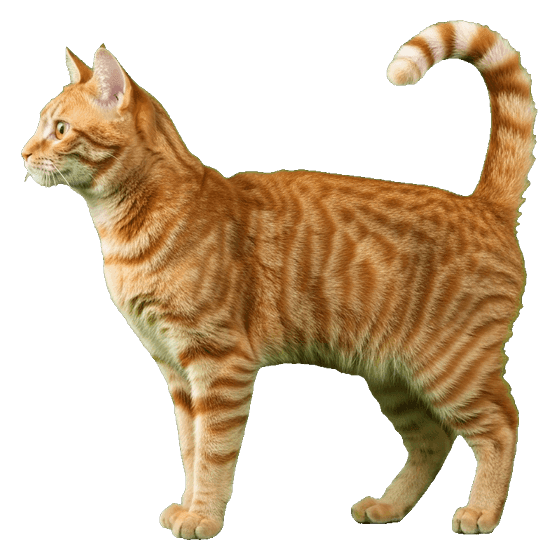
Early readingA photo appears and the child taps the word that names it. One button swaps the direction, so the word comes first and they find the picture. Spoken words, no timer.

Which word is it?
Choose the answer





What this game practises
Whole-word recognition. A child matching cat to a photograph of a cat is doing the thing reading actually consists of: turning marks on a screen into a meaning. It sits one step past visual discrimination, where the shapes being compared are arbitrary; here they carry meaning, and the child has to hold both the shape and the sound in mind.
The distractors are the difficulty
This is the part worth understanding before you choose a setting. With two choices, the wrong word deliberately starts with a different letter, so a beginner can succeed on the first letter alone, which is exactly how early readers work and is a perfectly good place to start.
From three choices upward, the game deliberately includes a word starting with the same letter where it can: cat next to cow, pig next to penguin, horse next to helicopter. Now the first letter settles nothing and the child has to read further into the word. That single change is the difference between recognising a shape and actually reading.
Both directions are worth doing
Picture first asks: what is this called? The child knows the animal and searches for its written form.
Word first asks: what does this say? The child has to decode before they have any idea what they are looking for, which is harder and closer to real reading. Use the direction button to swap.
Why the words are lowercase
Because that is how words appear in nearly everything a child will ever read. Capitals are also flatter shapes: a lowercase word has ascenders and descenders that give it a distinctive outline, and that outline is one of the things a new reader uses. Teaching recognition in capitals means teaching it twice.
How to use it with your child
- Start at two choices, picture first. Success first, difficulty later.
- Read the options out loud with them at the start, pointing at each word. You are showing them the strategy, not giving them the answer.
- Move to three choices when two gets easy, and expect it to get suddenly harder. That is the same-first-letter distractor doing its job.
- Switch to word first last. It is a genuine step up and worth saving until the other direction is comfortable.
- Use the help button freely. It highlights the answer and says it aloud.
Accessibility notes
- No dragging. One tap on a large target, never a drag.
- No timer and no losing. A wrong choice fades out and is set aside.
- Every word is spoken aloud, so a child who cannot yet read gets the word by ear as well as by eye.
- Full keyboard and switch access, with a thick focus ring, and motion switches off if the device asks for it.
Prefer it on paper? The printable worksheets cover the picture side of this with shadows rather than words.
Questions about this game
What age is it for?
Set it by reading level rather than by age. Two choices with different first letters suits someone just starting to recognise whole words; four choices sharing a first letter suits a reader with some confidence.
As a rough guide that is about four to eight years old, but anyone working on early word recognition belongs here regardless of how old they are.
Why are the words in lowercase?
Because that is how words appear in almost everything a child reads, and because lowercase words have a more distinctive outline than words set in capitals.
Can we match the word to the picture instead?
Yes. The direction button swaps it round: a word appears on its own and the child taps the matching photograph. That direction is harder, because they have to decode before they know what they are looking for.
Can my child lose?
No. No timer, no score that drops. A wrong choice fades out, so the round always ends with the child getting it right.
Which words are included?
Thirty-two: twenty animals plus fruit, vegetables and vehicles. Each session picks twelve at random, so it is different every time without being endless.